Greetings one last time from Montepuez! Our hearts are very full these days, but
heavy as well – we leave in less than one week, ending this season of ministry
as residents in Mozambique. We have
appreciated so much the encouragement and affirmation from so many as we try to
wrap up 15 years of ministry here in this part of Africa which has been our
home.
Greetings one last time from Montepuez! Our hearts are very full these days, but
heavy as well – we leave in less than one week, ending this season of ministry
as residents in Mozambique. We have
appreciated so much the encouragement and affirmation from so many as we try to
wrap up 15 years of ministry here in this part of Africa which has been our
home. I am writing this newsletter at a card table in our empty,
echoing house. Earlier this month we
loaded a shipping container with our belongings to be sent to the US, which
made the (previously) surreal experience of moving much more tangible and concrete. We are grateful to our teammates, to missionary
friends Jon and Marijane Beutler, and to Mozambican friends who helped pack and
load all our things in the midst of their own busy lives.
I am writing this newsletter at a card table in our empty,
echoing house. Earlier this month we
loaded a shipping container with our belongings to be sent to the US, which
made the (previously) surreal experience of moving much more tangible and concrete. We are grateful to our teammates, to missionary
friends Jon and Marijane Beutler, and to Mozambican friends who helped pack and
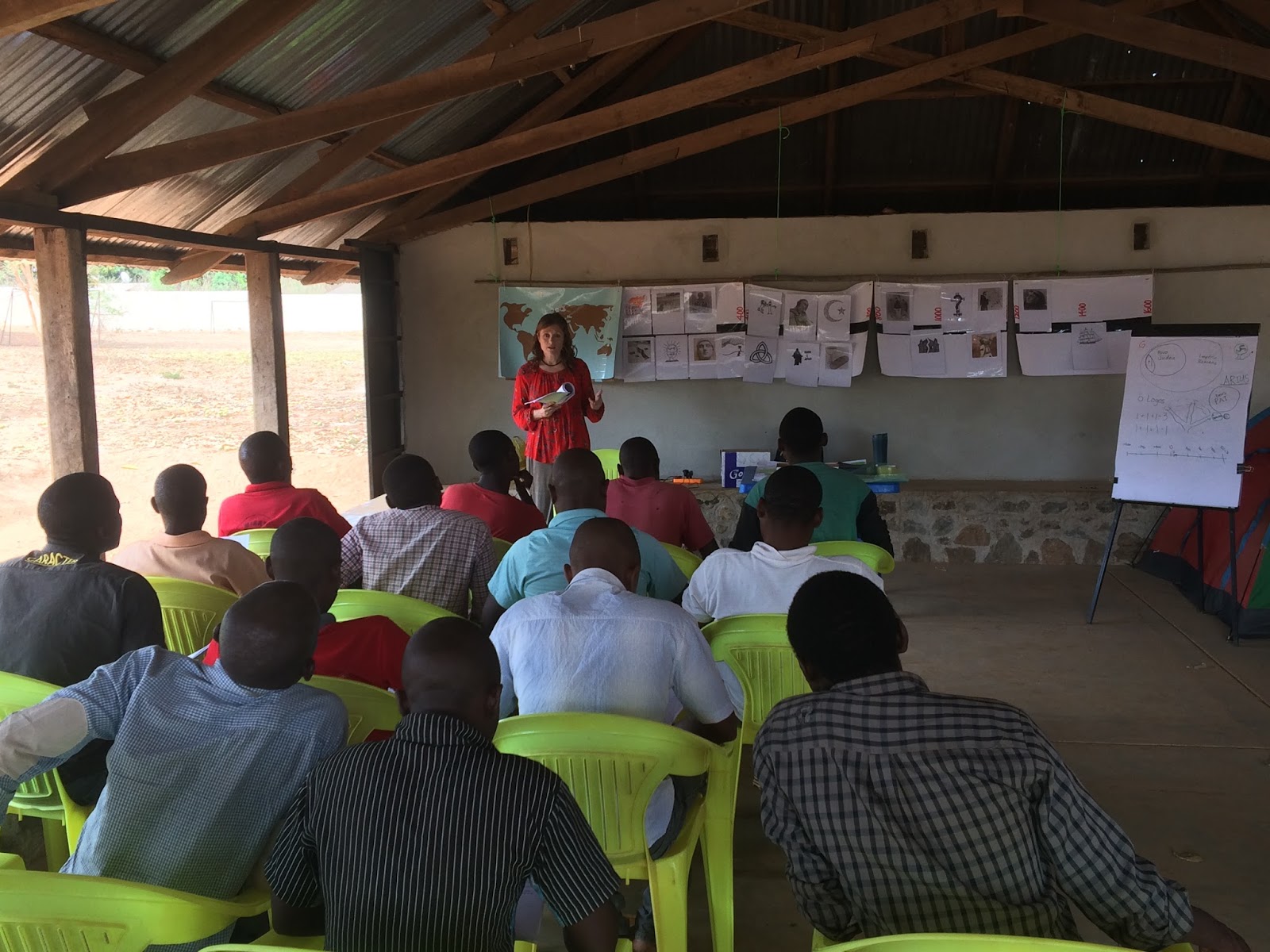
load all our things in the midst of their own busy lives.  Over the last few months we’ve been experiencing lots of
lasts. I taught my final classes at the Theological Institute – the week-long courses
on Preaching and the “Giants” (equipping the church to address the five big
challenges we are facing in this context) as well as using the recordings from
a previous class to offer an independent study for a church leader.
Over the last few months we’ve been experiencing lots of
lasts. I taught my final classes at the Theological Institute – the week-long courses
on Preaching and the “Giants” (equipping the church to address the five big
challenges we are facing in this context) as well as using the recordings from
a previous class to offer an independent study for a church leader.
Rachel finished up teaching the Sermon on the
Mount with women from two areas: the Nekwaya cluster and in the village of
Mpuhu. We were also so happy that to
receive one last set of visitors from the States – Darrin and Cheryl Ruddy were
able to come and it was so great for them to see life here in Mozambique and to
have them here in our home. Jessica, Goncalves Inacio and I also finished up the last seed distributions
and final visits with the farming associations – please keep praying for them,
that this year’s rains will be good and that God will provide an abundant
harvest.
 God’s work continues to bear fruit, sometimes in new and
surprising ways. One graduation requirement
for students in the Theology Institute is completing a capstone project that
puts what they are learning to use in service to the church. Two weeks ago, two local students started a
Sunday School program for children before worship service for the church that
meets here on the team’s property, and the kids have been crazy excited! Early Sunday morning we could hear them singing
loud and clear even inside our home, and afterwards, when I told one of the
leaders of this program how much I enjoyed hearing the kids, he expressed a bit
of sadness that they had waited so long to get started, but I encouraged him
that now the time is ripe. Please pray
for their energy and enthusiasm to continue to open their hearts wide.
God’s work continues to bear fruit, sometimes in new and
surprising ways. One graduation requirement
for students in the Theology Institute is completing a capstone project that
puts what they are learning to use in service to the church. Two weeks ago, two local students started a
Sunday School program for children before worship service for the church that
meets here on the team’s property, and the kids have been crazy excited! Early Sunday morning we could hear them singing
loud and clear even inside our home, and afterwards, when I told one of the
leaders of this program how much I enjoyed hearing the kids, he expressed a bit
of sadness that they had waited so long to get started, but I encouraged him
that now the time is ripe. Please pray
for their energy and enthusiasm to continue to open their hearts wide.  Four months ago, Rachel and I sat down and mapped out our last
Sundays and last visits to different places and individuals to make sure that
we were saying goodbye well. Our team
works with a network of 84 Churches of Christ and also enjoys deep connections with
other local denominations as well, so we knew it would be impossible to visit
all of them one last time on a Sunday.
In these last weeks we’ve made dozens of goodbye visits with different churches
and families who we love, and we’ve been showered with gifts – dried cassava from the church in Milamba,
sacks of peanuts in Chipembe, corn flour, bananas, chickens, and so much
more. On our last Sunday in Balama, the
church dressed our family in African fabric and said that since we have done
battle with Satan here and have been victorious, that they wanted to send us “home”
dressed as warriors.
Four months ago, Rachel and I sat down and mapped out our last
Sundays and last visits to different places and individuals to make sure that
we were saying goodbye well. Our team
works with a network of 84 Churches of Christ and also enjoys deep connections with
other local denominations as well, so we knew it would be impossible to visit
all of them one last time on a Sunday.
In these last weeks we’ve made dozens of goodbye visits with different churches
and families who we love, and we’ve been showered with gifts – dried cassava from the church in Milamba,
sacks of peanuts in Chipembe, corn flour, bananas, chickens, and so much
more. On our last Sunday in Balama, the
church dressed our family in African fabric and said that since we have done
battle with Satan here and have been victorious, that they wanted to send us “home”
dressed as warriors. Village leaders
have come and expressed their gratitude and sadness that we are leaving; our friend,
the local traditional king, even gave me a carved scepter, and another friend
bought a shirt for me and had the outline of Mozambique sewn onto it as a reminder
of where my heart is. This last Sunday, our teammates and the church here in
Montepuez invited our friends and gave us a goodbye blessing and meal together,
and later that afternoon our team gathered for a ceremony to celebrate God’s
faithfulness through the hardest times. Rachel and I have been part of this
team since December 1999 – before we were married – so this is a major
transition point for us all. It has been
so good to be able to both celebrate and mourn everything that is changing.
Village leaders
have come and expressed their gratitude and sadness that we are leaving; our friend,
the local traditional king, even gave me a carved scepter, and another friend
bought a shirt for me and had the outline of Mozambique sewn onto it as a reminder
of where my heart is. This last Sunday, our teammates and the church here in
Montepuez invited our friends and gave us a goodbye blessing and meal together,
and later that afternoon our team gathered for a ceremony to celebrate God’s
faithfulness through the hardest times. Rachel and I have been part of this
team since December 1999 – before we were married – so this is a major
transition point for us all. It has been
so good to be able to both celebrate and mourn everything that is changing. Over the last few weeks I have been talking a lot about Paul’s
last words to Timothy. I’ve been
preaching from 2 Timothy 4 where Paul charges his young apprentice to keep
preaching God’s words. It is interesting
and ironic to me that his final word
is an encouragement to not let that be the last
word – instead he wants Timothy and others to keep spreading the Word.
Over the last few weeks I have been talking a lot about Paul’s
last words to Timothy. I’ve been
preaching from 2 Timothy 4 where Paul charges his young apprentice to keep
preaching God’s words. It is interesting
and ironic to me that his final word
is an encouragement to not let that be the last
word – instead he wants Timothy and others to keep spreading the Word. Traditional singers/storytellers among the
Makua-Metto will pause often to sing a song that ends with the call “Saminiya”
(Makua-Metto for open flame kerosene lamp).
This final word, sung like a chorus by all the participants present, is
a way to say, “bring the lamp/light… don’t stop… keep going… keep telling the
story.” These traditional
singer/storyteller performances often go late into the night and singing
“Saminiya” is a way to encourage everyone involved to continue - even though it
is getting dark, the song needs to continue.
As we leave to take the light to other places, we are calling our Makua-Metto
friends to keep telling the story and to keep bringing the light into dark
places in Mozambique.
Traditional singers/storytellers among the
Makua-Metto will pause often to sing a song that ends with the call “Saminiya”
(Makua-Metto for open flame kerosene lamp).
This final word, sung like a chorus by all the participants present, is
a way to say, “bring the lamp/light… don’t stop… keep going… keep telling the
story.” These traditional
singer/storyteller performances often go late into the night and singing
“Saminiya” is a way to encourage everyone involved to continue - even though it
is getting dark, the song needs to continue.
As we leave to take the light to other places, we are calling our Makua-Metto
friends to keep telling the story and to keep bringing the light into dark
places in Mozambique. 
In the next few days we will finish packing our bags and celebrate
Thanksgiving with our team and other expats and friends in the area; we will then
go to Pemba for two days with our team before our departure. We are taking the advice of missionary-care
counselors and stretching our travel over a couple of weeks so that the family transition
of moving continents isn’t too abrupt. We
will land in the US just before Christmas, and in early 2019 we will have a final
furlough to see family, friends, our Donelson church family in Nashville, and
others who have supported us over the years.
And then… our hope is to settle in to wherever God is leading us next
during the summer of 2019.
 Please pray that the churches here would be hungry for God,
captivated by a vision of Jesus and filled with the Holy Spirit. Pray that God would continue this work in new
and surprising ways – raising up disciple-makers, defeating the Giants, and
saving the Makua people in every way.
Please pray that the churches here would be hungry for God,
captivated by a vision of Jesus and filled with the Holy Spirit. Pray that God would continue this work in new
and surprising ways – raising up disciple-makers, defeating the Giants, and
saving the Makua people in every way.
Please pray for our family – that God would provide a place
for us to flourish and serve and that God would be gentle and gracious with us
in the midst of all these transitions.
Grace and Peace,
Alan, Rachel, Abby, Ellie and Katie Howell
P.S. Mark your calendars - On June 21-22, 2019, Pleasant
Valley Church of Christ in Little Rock, AR will host a gathering of supporters
of the work among the Makua-Metto people. Details to come!